
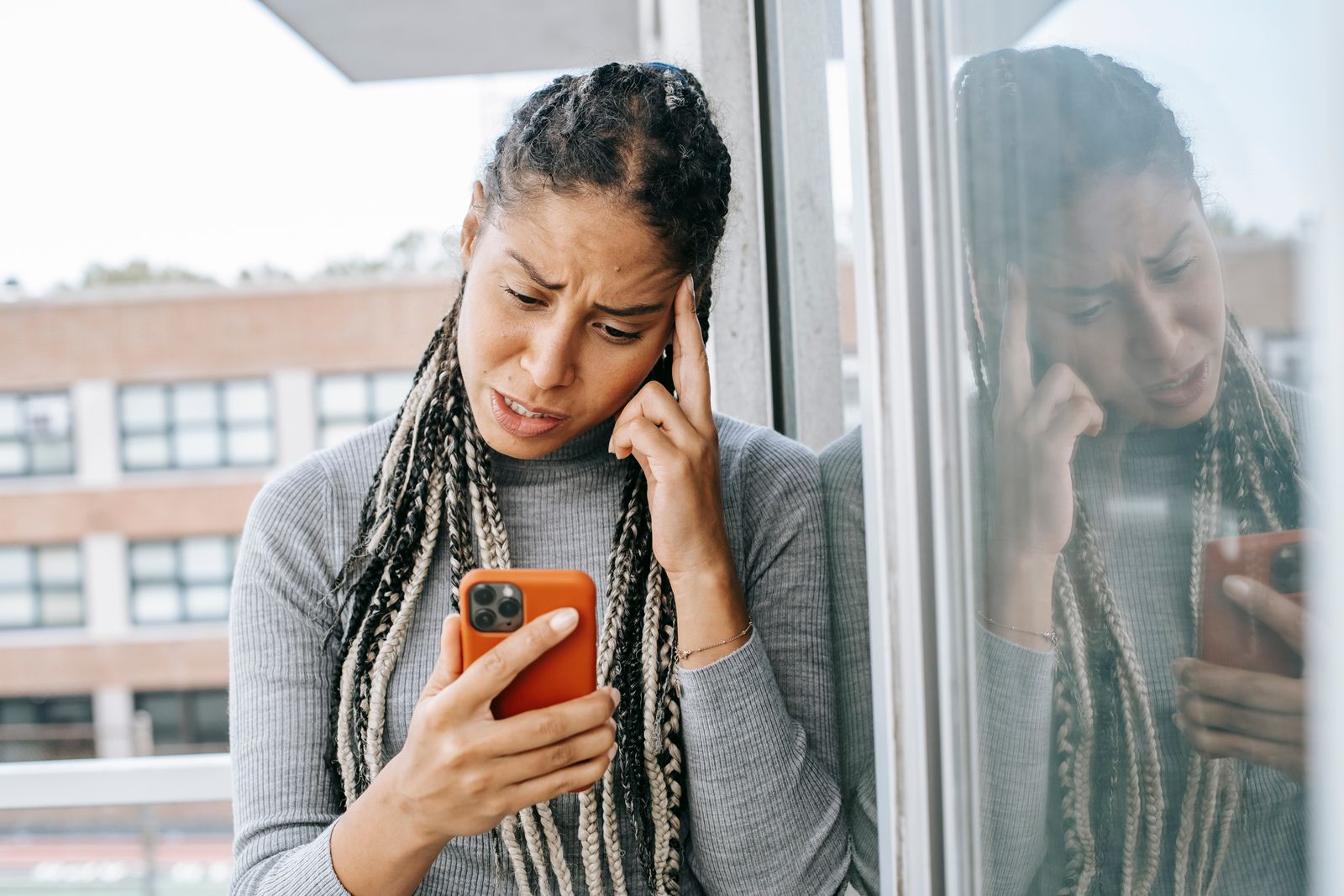
A friend texted me last week and took four hours to reply. By hour two I had already decided she was upset about something I said at dinner, that I had overstepped, that our friendship was quietly cooling off. She had just been at the dentist.
What Rejection Sensitive Dysphoria Actually Is
Rejection sensitive dysphoria, RSD for short, is a term clinicians use to describe a fast, overwhelming wave of pain triggered by real or perceived rejection, criticism, or failure. It isn't an official diagnosis in the DSM-5, and there's no blood test for it. It is, however, something a huge number of adults with ADHD recognize instantly, often with relief, the first time they hear a name for it.
I spent most of my adult life thinking I was just dramatic about small things. A coworker's short email. A friend leaving me on read. My partner's slightly flat tone on the phone. Each one could send me into hours of replaying the moment, apologizing in my head, and planning how to fix a problem that, most of the time, didn't exist.
It's Not About Being Too Sensitive
People with RSD often get told to relax, to stop overreacting, to grow thicker skin. That advice never worked for me, mostly because thickness of skin was never the issue. What actually happens is faster and less voluntary: an ADHD brain can register a rejection signal, real or imagined, and flood the body with it before there's been any chance to check whether the signal is even true.
What's Happening in the Brain
Researchers don't fully agree on the exact mechanism yet, and RSD itself is still debated as a clinical term. What most do agree on is that ADHD affects how the brain regulates emotion, not just attention. The same difficulty that makes it hard to pause before blurting something out in a meeting can make it hard to pause before a feeling of rejection turns into panic, shame, or anger. Add a nervous system that has spent years bracing for criticism, for late assignments, forgotten plans, interrupted conversations, and the reaction only gets bigger.
How RSD Shows Up Day to Day
RSD rarely looks like one dramatic moment. More often it's a pattern you don't notice until someone points it out. For me it looks like:
- Rereading a text message five times to find the "real" meaning behind a short reply
- Rehearsing an apology for something no one is actually upset about
- Turning down invitations before anyone has the chance to reject me first
- Feeling a meeting request from my boss as a small emergency, even when it's routine
- Going quiet in a group conversation after one comment lands wrong
None of these are exaggerated for effect. They are a fairly ordinary Tuesday. What makes RSD tricky to spot in yourself is that most of these reactions happen quietly, inside your own head, while your face stays perfectly calm. From the outside you look like you're just scrolling your phone. On the inside you're running a full trial, complete with evidence, a verdict, and a sentence.
The Anticipation Is Often Worse Than the Rejection
A 2025 qualitative study asked adults with ADHD to describe what rejection sensitivity actually feels like day to day. One of the clearest findings was that the anticipation of rejection often hurt more than the rejection itself. Waiting for a reply, waiting for feedback, waiting to find out if someone was angry, could be more painful than the actual news, if bad news ever came at all.
Why We Cancel Instead of Show Up
The same study found that the most common response to that anticipatory dread was to disappear: skip the event, cancel the plan, avoid the person, let the message go unanswered. I recognize this pattern from the inside. It feels less like avoidance and more like self-preservation, a way to opt out of a threat before it lands. If you've read about ADHD waiting mode, you already know how much of an ADHD life can be spent braced for something that hasn't happened yet. RSD is that same bracing, aimed specifically at other people.
The Exhausting Work of Masking It
A lot of us learn to hide RSD instead of managing it. We overexplain a text that took too long to send. We apologize twice for something minor. We rehearse conversations in the shower so nothing catches us off guard. We say "no worries" through gritted teeth. This is its own kind of exhausting, on top of everything else ADHD already asks a person to manage day to day, from remembering appointments to fighting through executive dysfunction just to start the laundry.
Masking RSD is particularly draining because the feelings underneath don't go away. They just move. I have lost entire afternoons of work because I was still quietly replaying a comment from that morning, long after the person who made it had forgotten saying it.
The mask also makes it harder for the people who love you to help. My partner didn't know for years that a flat "okay" text could cost me an hour of peace. Once I named the pattern out loud instead of just performing calm, he started adding one extra word here and there, "okay, talk soon", and that tiny bit of warmth changed how much I braced for his replies.
When RSD Gets Mistaken for Something Else
Because the reactions can be so intense, sudden tears, sudden anger, a full afternoon lost to spiraling, RSD sometimes gets mislabeled as anxiety, mood swings, or even a personality disorder. Some of that overlap is real. RSD can travel alongside anxiety, and the two can be hard to tell apart from the outside. Still, knowing that your reaction has a name and a known pattern changes how you talk about it, with a partner, a therapist, or yourself at eleven at night replaying a work email.
If the intensity of these reactions is genuinely disrupting your work, your relationships, or your sleep, it's worth bringing up with a doctor or therapist who knows ADHD. Some people find that treating the underlying ADHD, through medication, therapy, or both, takes the edge off RSD as a side effect. Nobody has to just white-knuckle through this on willpower alone.
What Actually Helps
None of this means RSD has to run the show. A few things have helped me put a little space between the sting and my reaction to it:
- Naming it out loud, even just to myself: "this is RSD talking, not new information"
- Waiting before responding to anything that felt like a rejection, even ten minutes
- Asking a direct question instead of guessing, "did I do something?" rather than assuming the worst
- Telling one trusted person about the pattern so they can gently reality-check me in the moment
- Separating the feeling from the facts by writing or saying out loud what actually happened, not what I'm afraid it means
The Two-Minute Pause
The single most useful habit I've built is a two-minute pause before responding to anything that stings. Not to overthink it further, but to let the first wave pass before saying or doing something from inside it. I set a timer. I walk to another room. Sometimes I say the feeling out loud to nobody in particular: "I feel like she's mad at me." Hearing it said flatly makes it easier to notice it's a feeling, not a fact.
A Quick Checklist for the Next Sting
The next time a comment, a slow reply, or a look sends you spiraling, try running through this before you act on it:
- Name the feeling: "this is RSD, not confirmed information"
- Wait at least ten minutes before responding or reacting
- Write down what actually happened, in plain facts, no interpretation
- Ask yourself what you'd tell a friend describing the exact same situation
- If you still feel unsure, ask the person directly instead of guessing
- Save the moments when you got proof it wasn't rejection, the friend who was just at the dentist, the boss who just wanted to say thanks, somewhere you'll actually see again
That last one matters more than it sounds. An ADHD brain is good at reliving the sting and bad at holding onto the relief that came after. I started keeping a running voice note of every time I found out I wasn't in trouble after all, and I go back and listen to it more often than I'd like to admit. If you deal with ADHD overwhelm in general, having a place to store the evidence that most of your fears never come true can matter as much as any technique.
Let your brain rest. Hilumly remembers
Record the moment out loud, the reassurance, the reply that finally came, the feedback that was actually kind, and let Hilumly hold onto it so you don't have to relive the spiral just to remember how it ended.
Try it freeIf you've spent years wondering why a small comment could ruin your whole afternoon, I hope this gave the feeling a name, if nothing else. You're not too sensitive. You're not overreacting. Your brain is doing exactly what an ADHD brain does under a threat it takes seriously, and that's worth understanding instead of hiding.